


When FIFA closed the books on the 2022 World Cup in Qatar, it celebrated a financial milestone few sporting organisations have ever reached.
The tournament generated almost $5.8 billion in revenue, fuelled by record television audiences, commercial partnerships, hospitality and ticket sales. At the time, it represented the most successful World Cup in history, comfortably surpassing Brazil 2014 and Russia 2018.
Four years later, that record already looks temporary.
Before a ball was kicked at the 2026 FIFA World Cup, president Gianni Infantino publicly predicted the tournament would generate $10 billion in revenue. If realised, it would comfortably become the most commercially successful sporting event ever staged.
The achievement is not simply the result of football's growing popularity. It reflects a decade long transformation of the World Cup from a month long tournament into one of the world's most valuable entertainment properties. Here is how it happened.
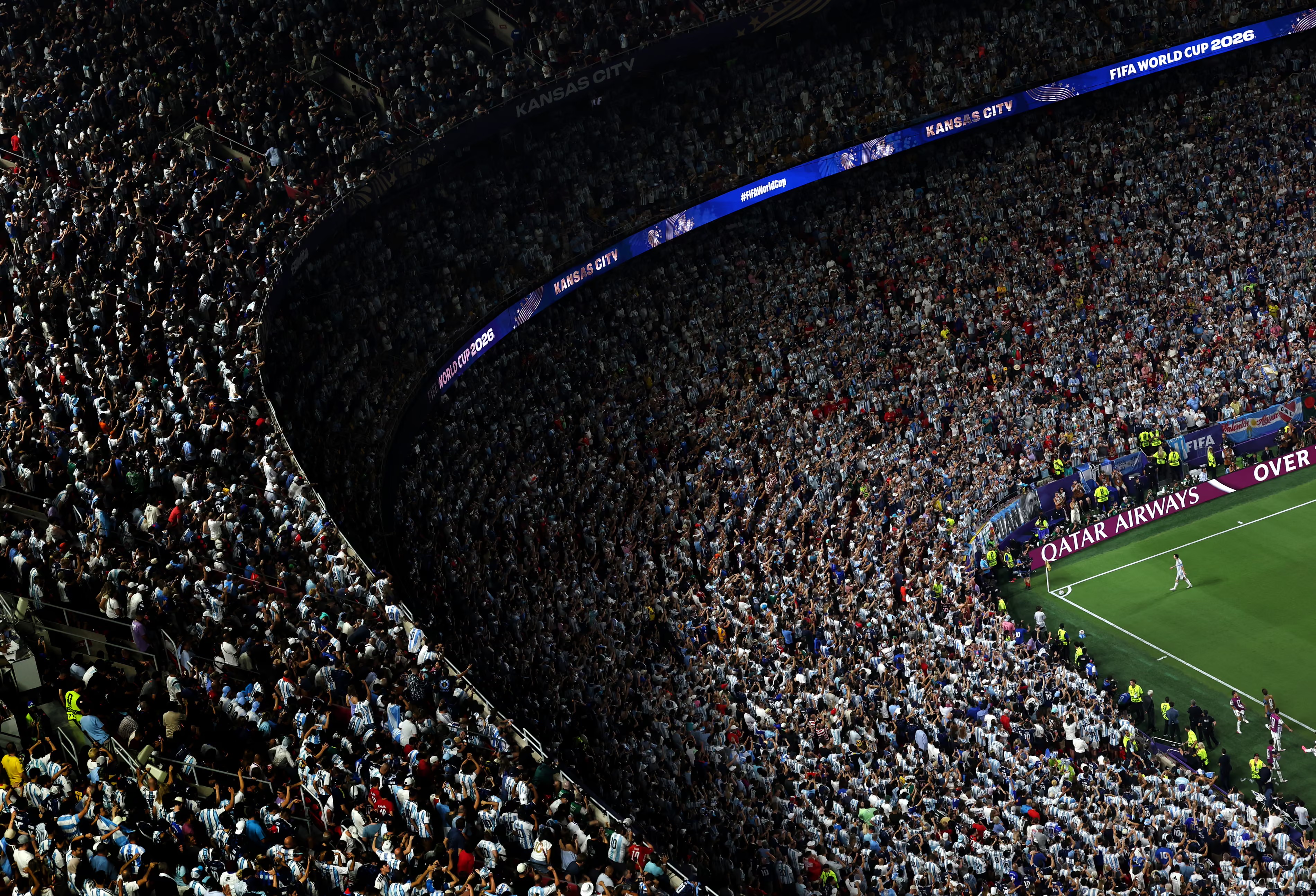
FIFA Sold Scarcity
Unlike domestic football, the World Cup exists only once every four years.
That scarcity is its greatest commercial advantage.
Club football is available every weekend. Fans can watch hundreds of Premier League, Champions League or La Liga matches every season. The World Cup, by contrast, represents a single global moment that millions of supporters spend years anticipating. When limited supply meets extraordinary global demand, prices inevitably rise. Broadcasters compete aggressively for exclusive rights. Sponsors pay premiums to associate themselves with the tournament. Hospitality packages become some of the most expensive in world sport, while supporters routinely pay record prices simply to attend. Few events command that level of urgency.
More matches, more inventory
The biggest commercial change in 2026 was FIFA's expansion from 32 to 48 teams. Rather than simply adding more nations, FIFA dramatically increased the tournament itself. The competition grew from 64 matches to 104, creating forty additional fixtures to sell to broadcasters, sponsors, advertisers and hospitality partners.
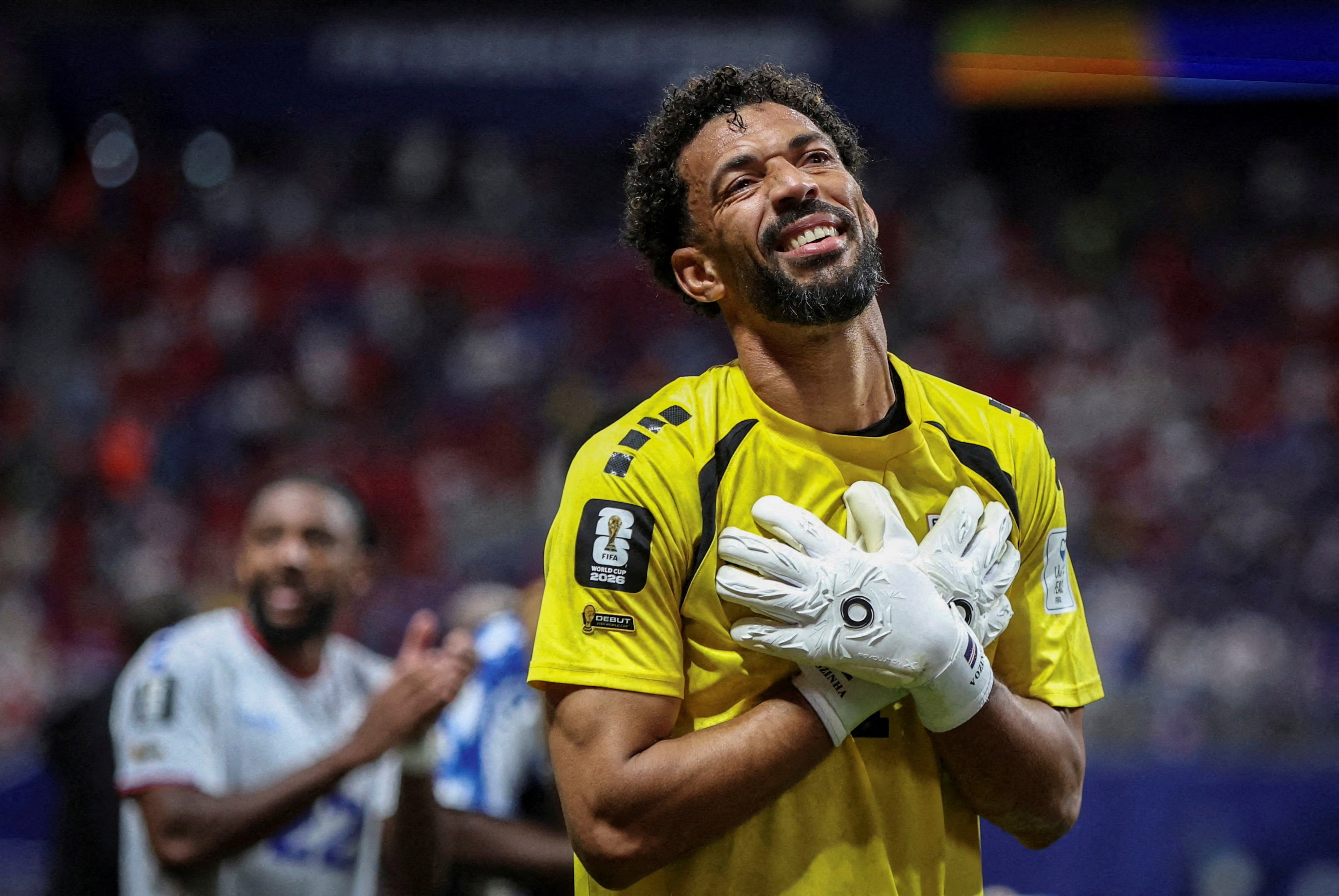
Every extra match represented another television audience, another stadium to fill, more advertising inventory and additional sponsorship exposure. The expansion was criticised before the tournament began, with many fearing a decline in quality. Instead, it created significantly more commercial inventory without diminishing global interest. Not only that, it tapped into the psychology of the underdog story. With countries such as Cape Verde winning the hearts and minds of fans across the globe with their spirited performances.
America changed the economics
Hosting the tournament across the United States, Canada and Mexico fundamentally altered FIFA's commercial ceiling.
North America possesses the world's largest advertising market, the highest value corporate hospitality sector and some of the biggest stadiums ever used for a World Cup. For global brands, this meant that the tournament became impossible to ignore.
Long term FIFA partners including Adidas, Coca-Cola, Visa, Hyundai and Aramco reportedly invested between $80 million and $100 million annually through their sponsorship agreements. New commercial partners, including Bank of America and McDonald's, joined specifically for the expanded North American tournament, while additional sponsors and supporters paid tens of millions more for association with the competition.
Unlike recent tournaments in Russia and Qatar, the United States offered an environment that global brands were particularly comfortable investing in, creating one of FIFA's strongest commercial markets to date.
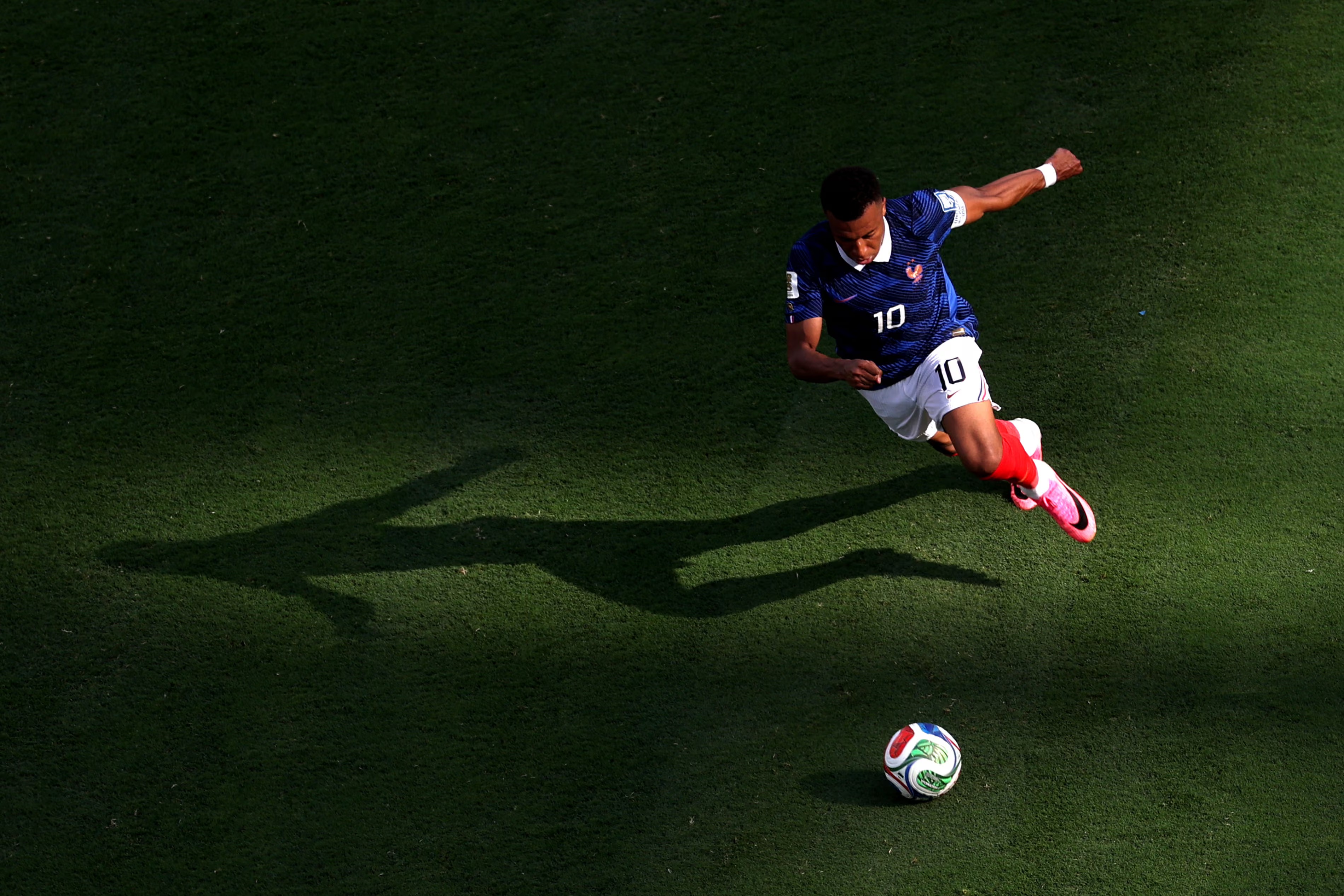
Entertainment became central to the spectacle
The tournament also reflected a broader shift in how FIFA positions the World Cup.
The introduction of the competition's first-ever halftime show, expanded digital coverage, enhanced hospitality experiences and dynamic ticket pricing signalled an organisation increasingly borrowing ideas from the Super Bowl rather than traditional football tournaments. Dynamic pricing allowed ticket prices to fluctuate according to demand, while FIFA's official resale platform generated additional revenue through transaction fees. As such, the tournament was no longer simply selling football matches. It was selling experiences.
Once in a Generation Timing
Timing also played an important role in the scale of this World Cup.
The tournament represented the closing chapter for two of football's defining figures, Lionel Messi and Cristiano Ronaldo, while simultaneously passing the baton to the sport's next generation of global stars, including Lamine Yamal, Kylian Mbappé and Erling Haaland. Few World Cups have captured such a clear passing of the torch, with the almost mythical Messi x Yamal photoshoot, and Mbappé breaking the all time World Cup goalscoring record. That narrative transcended football itself, attracting casual audiences alongside lifelong supporters and driving record engagement across television, streaming platforms and social media.
The world's biggest audience
More than 6.6 million supporters followed matches across the tournament, making it the highest viewed World Cup in history. Global television audiences also reached extraordinary levels. From record domestic audiences in the United States to enormous viewing shares across Europe and South America, the tournament reinforced football's position as the only truly global sport capable of bringing together billions of viewers over a single month. For broadcasters and advertisers, there are very few comparable opportunities.
The Business of the World Cup
FIFA also distributed a record $655 million in prize money to participating nations, a significant increase on Qatar 2022. Yet the prize fund illustrates an important reality. Even record payments to national teams represent only a relatively small proportion of FIFA's overall commercial income.
The organisation has built a business model where broadcasting rights, sponsorship, licensing, hospitality and ticketing generate revenues on a scale unmatched anywhere else in sport. By the end of the current commercial cycle, FIFA is expected to generate almost $15 billion across four years, nearly double the previous cycle.
The biggest sporting property on Earth
The 2026 World Cup demonstrated that FIFA's greatest innovation was not expanding the tournament from 32 to 48 teams. It was recognising that the World Cup is no longer simply a football competition. It is a scarce global entertainment product.
Every four years, billions of people stop to watch the same event. Governments compete to host it. Broadcasters compete to show it. Brands compete to sponsor it. Fans compete to attend it. No other sporting event commands that combination of scarcity, global reach and commercial demand.
That is why the World Cup has evolved into something far bigger than football.
It has become the most valuable sporting property on the planet.


